Source Embossed Hunting Hat for Sports Travel and Outdoor Use
Find 30 options for the embossed hunting hat suitable for sports, travel, and outdoor activities. Buyers can compare specifications like material, size, and customization features from verified suppliers in China.
Key considerations
Products List
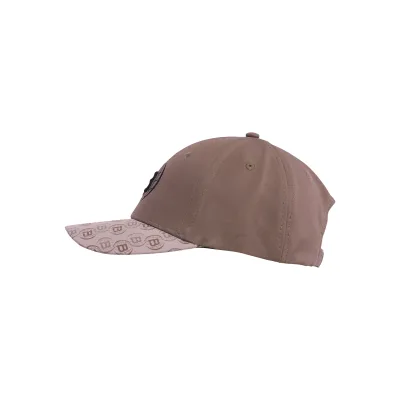
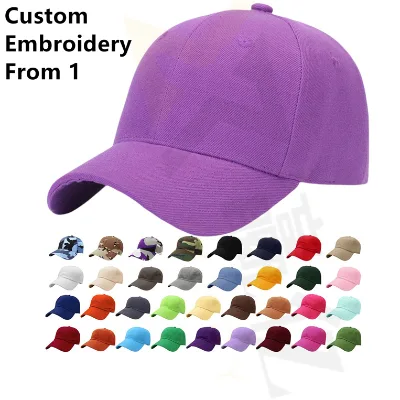
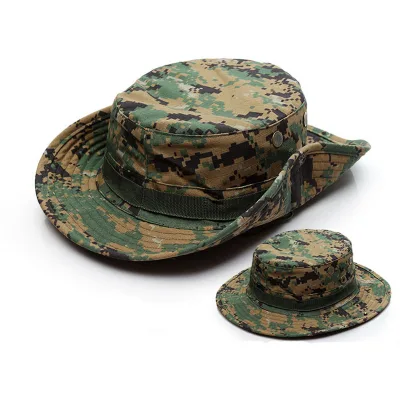
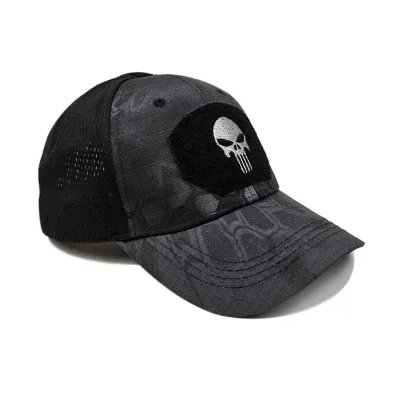
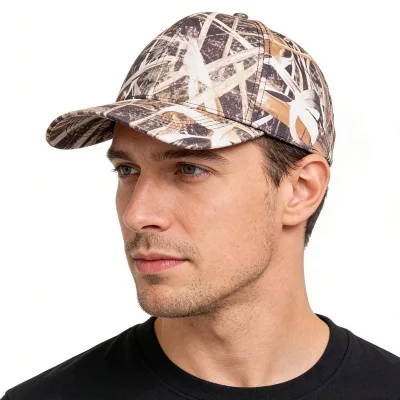
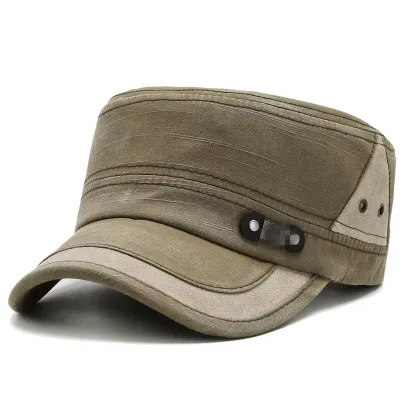


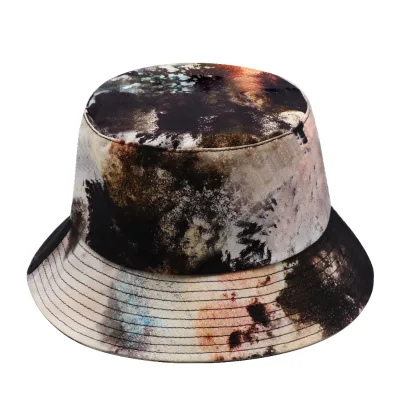


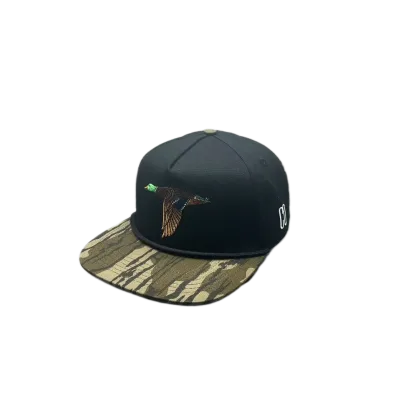


Comprehensive Sourcing Guide
Strategic Sourcing Guide for Embossed Hunting Hats
Understanding Product Specifications and Technical Attributes
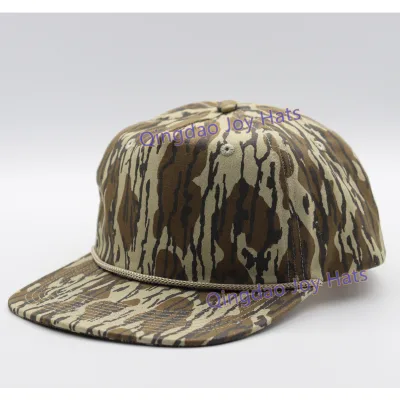
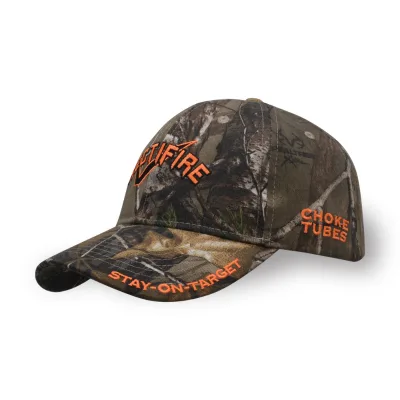
When sourcing embossed hunting hats, buyers must first distinguish between the specific technical attributes required for the hunting environment and the general manufacturing capabilities of the supplier. The core keyword "embossed" refers to a specific decorative technique where a design is raised from the surface, creating a tactile and visual texture. In the context of hunting apparel, this is often combined with camouflage patterns to ensure the hat blends seamlessly with natural surroundings while providing a distinct brand identity or unit marking.
Based on observed product data, the material composition is a critical starting point. The supply chain frequently offers options ranging from 100% polyester to polyester-cotton blends. Polyester is often selected for its durability and resistance to moisture, which is essential for outdoor activities. Some listings indicate the use of Oxford fabric or canvas, which provide structural integrity. For the embossing process itself, the fabric must possess sufficient density to hold the raised design without tearing. The "3D embroidery" and "embossed" techniques observed in supplier catalogs suggest a multi-layered approach to decoration, where the hat's surface is manipulated to create depth.
Size and fit are equally paramount. Hunting scenarios often require gear that remains secure during vigorous movement. The observed data highlights a standard head circumference range of 56-60cm, though a broader spectrum including 48-60cm and adjustable closures is available. The closure mechanism is another technical specification; metal buckles are noted as a standard feature, offering a robust alternative to fabric straps or plastic snaps. This ensures the hat stays in place even in windy conditions. The panel construction is typically a 6-panel design, which offers a traditional, structured silhouette that is well-suited for the rigors of the field.
Compliance, Certification, and Safety Verification
In the B2B procurement of hunting gear, compliance is not merely a formality but a necessity for market access and liability management. While specific certification documents were not explicitly detailed in the provided product facts, buyers must verify that the manufacturing process adheres to international safety standards. For hunting hats, the primary concern is often the chemical safety of the dyes and the embossing adhesives used. Buyers should request proof that the materials are free from harmful substances such as azo dyes or heavy metals, which are strictly regulated in many export markets.
The "Place of Origin" data indicates manufacturing hubs in Jiangsu and Zhejiang, China. These regions have established textile industries, but the level of regulatory compliance can vary between factories. Procurement teams should verify that the supplier holds valid business licenses and that their production facilities have undergone third-party audits for social compliance and environmental safety. Although specific certification names like ISO 9001 were not listed in the raw data, the presence of advanced techniques like "3D embroidery" and "digital printing" suggests a level of technological maturity that often correlates with better quality management systems.
Furthermore, the "Fabric Feature" of being waterproof is a significant claim that requires verification. Buyers should demand test reports confirming the water resistance of the Oxford or polyester fabric. This is not just about the material itself but also about the integrity of the seams and the embossing application. If the embossing process involves heat or adhesives, these materials must not degrade or release harmful fumes when exposed to the elements. For hunting hats intended for use in wet or cold conditions, the ability to maintain insulation and water repellency is a critical compliance metric.
Cost Drivers and Pricing Dynamics
The pricing structure for embossed hunting hats is influenced by several variable factors, primarily material selection, decoration complexity, and order volume. The observed price range of $0.19 to $5.90 USD reflects a wide spectrum of quality and customization levels. The lower end of this range typically corresponds to basic polyester hats with simple digital printing or standard embroidery, while the higher end includes complex 3D embroidery, custom branding, and specialized waterproof fabrics.
The Minimum Order Quantity (MOQ) is a significant cost driver. Data indicates MOQs ranging from 120 pieces to 1000 pieces, with a specific observation of 300 pieces for certain models. Buyers with smaller order volumes may face higher unit costs due to the fixed setup costs for embossing molds and printing plates. Conversely, larger orders can leverage economies of scale to reduce the per-unit price. The "Design: Custom Design" attribute implies that the initial development phase may incur additional costs, which are often amortized over the production run.
Shipping costs also play a role in the total landed cost. The "Shipping: by air" attribute suggests that expedited delivery is an option, which carries a premium compared to sea freight. For time-sensitive hunting seasons, buyers might opt for air shipping despite the higher cost, whereas bulk stock replenishment might be more cost-effective via sea freight. The "Single gross weight" of 12.0 kg for a package of 12 pieces indicates the density of the product, which affects freight calculations. Buyers should calculate the total cost of ownership, including packaging (12pcs/Opp Bag), to ensure the final margin remains viable.
Typical Applications and Usage Scenarios
The versatility of embossed hunting hats extends beyond the traditional hunting ground. The "Applicable scene" data lists a diverse array of environments, including sports, travel, outdoor activities, casual wear, fishing, cycling, and hunting. This broad applicability suggests that the product is designed as a multi-functional piece of headwear. The "Pattern Type" of camouflage is specifically tailored for hunting, providing concealment in wooded or grassy environments. However, the availability of other patterns like animal prints, geometric designs, and solid colors allows the same hat model to be marketed for general outdoor recreation or fashion purposes.
The "Fabric Feature" of being waterproof makes these hats suitable for use in unpredictable weather conditions, a common requirement for hunting and fishing. The "Applicable Season" data confirms that these hats are designed for four seasons, including winter, summer, and spring. This implies that the materials used are breathable enough for summer heat yet durable enough to withstand winter elements. The "Usage: Outdoors Activity" tag reinforces the product's primary function as protective gear.
For buyers targeting the hunting market, the "Logo position" on the front panel or brim is a strategic choice. This placement ensures high visibility for brand recognition while maintaining the camouflage aesthetic. The "Style" of the hat, described as "Image" or "Fashion," indicates that modern hunters also value aesthetics. The hat is not just a functional tool but also a statement piece that reflects the wearer's identity within the outdoor community.
Supplier Evaluation and Capability Assessment
Selecting the right supplier requires a rigorous evaluation of their technical capabilities and production history. The "Technics" listed, such as "Silk screen printing," "Heat-Transfer Printing," "Maching embroidery," and "3D embroidery," demonstrate a supplier's versatility. A supplier capable of performing embossing alongside these other techniques is likely to have the necessary machinery and skilled labor. Buyers should verify the supplier's experience with "Custom Logo" and "Custom Design" requests, as this indicates flexibility in meeting specific client needs.
The "Brand Name" field showing "OEM" suggests that the supplier is experienced in original equipment manufacturing, producing goods for other brands. This is a positive indicator of their ability to maintain confidentiality and adhere to strict quality standards. However, buyers should also check if the supplier has a track record of exporting to their specific target market. The "Place of Origin" in Jiangsu and Zhejiang is a major textile hub, but the specific factory's reputation matters more than the region.
Communication and responsiveness are critical factors. The "Single package size" of 10x10x10 cm versus 60x40x40 cm suggests variations in packaging standards. A professional supplier will provide clear, consistent packaging that protects the product during transit. Buyers should request samples to evaluate the quality of the embossing, the durability of the fabric, and the accuracy of the color matching. The "Fabric Type" variety, including canvas, velour, and denim, indicates that a capable supplier can source different materials to meet specific design requirements.
Quality Control and Long-Term Procurement Strategies
Quality control (QC) is the backbone of a successful procurement strategy for embossed hunting hats. Given the complexity of the embossing process, buyers must establish clear acceptance criteria. Visual inspection should check for uniformity in the raised design, ensuring there are no bubbles, peeling, or misalignments. The "Seamless Fusing" attribute, if present, requires verification to ensure the hat maintains its shape and structure over time.
Long-term procurement considerations involve building a sustainable relationship with the supplier. This includes negotiating favorable terms for repeat orders, securing consistent lead times, and establishing a clear protocol for handling defects. The "MOQ" flexibility, ranging from 120 to 1000 pieces, allows buyers to start with smaller orders to test the market before committing to larger volumes. This strategy mitigates risk and allows for adjustments based on customer feedback.
Buyers should also consider the environmental impact of their sourcing decisions. The use of "Waterproof" fabrics and "Polyester" materials raises questions about sustainability. Inquiring about the use of recycled materials or eco-friendly dyes can differentiate a brand in a competitive market. Additionally, the "Packing" method, such as 12pcs/Opp Bag, should be evaluated for its environmental footprint. Reducing packaging waste can be a significant selling point for eco-conscious consumers.
Finally, the "Feature: Soft Comfortable" attribute highlights the importance of user experience. A hat that is technically sound but uncomfortable will not be successful in the market. Buyers should prioritize suppliers who demonstrate a commitment to comfort through material selection and ergonomic design. By focusing on these quality and strategic aspects, buyers can ensure a steady supply of high-quality embossed hunting hats that meet the demands of the modern outdoor enthusiast.
FAQs
What materials are used for embossed hunting hats?
These hats typically use 100% polyester or polyester-cotton blends. Some listings specify Oxford fabric or canvas to ensure durability and structural integrity for outdoor hunting activities.
Which customization options are available for the logo?
Buyers can request custom logos placed on the front panel, brim, or side panels. The supplier supports various techniques including 3D embroidery, digital printing, and silk screen printing for branding.
How does the waterproof feature benefit hunting use?
The waterproof fabric feature protects the wearer from rain and moisture during outdoor activities. This ensures the hat remains functional and comfortable in unpredictable weather conditions typical of hunting environments.
Can I order a small quantity of embossed hunting hats?
Minimum order quantities vary, with some models requiring 120 pieces and others 300 pieces. Buyers should verify the specific MOQ for their chosen model before placing an order to ensure feasibility.
What sizes are available for the embossed hunting hat?
Available head circumferences range from 48cm to over 62cm, including adjustable options. Specific models also list standard sizes like 56-60cm to ensure a secure fit for various users during activities.
Which printing methods are used for the camouflage pattern?
Digital printing and silk screen printing are common methods for applying patterns. The hats also support 3D embroidery and heat-transfer printing to create textured designs like camouflage or custom graphics.